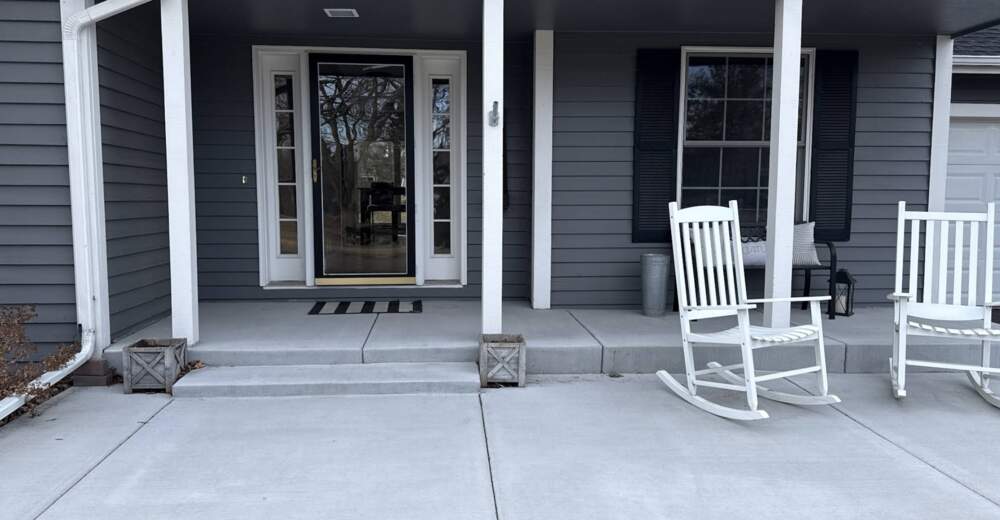

Expert concrete steps built and installed by qualified concrete contractors who pour precision into every tread and riser.
Homeowners and business owners across the region trust our crew for front entry steps, basement stairs, garden steps, and commercial staircases.
Concrete steps from our team come with the backing of a licensed, insured, and top-rated concrete contractor with years of hands-on experience. Legacy Concrete General Services has poured hundreds of staircases, and we've learned what makes them last.
Our crew members hold certifications in concrete finishing and follow ACI (American Concrete Institute) guidelines on every pour. We calculate the correct rise-to-run ratio for safe, comfortable stairs. We never cut corners on base preparation, and we never skip reinforcement.
We show up on time. We communicate throughout the project. We treat your property with respect from the first site visit to the final broom finish. That's why neighbors refer us again and again.
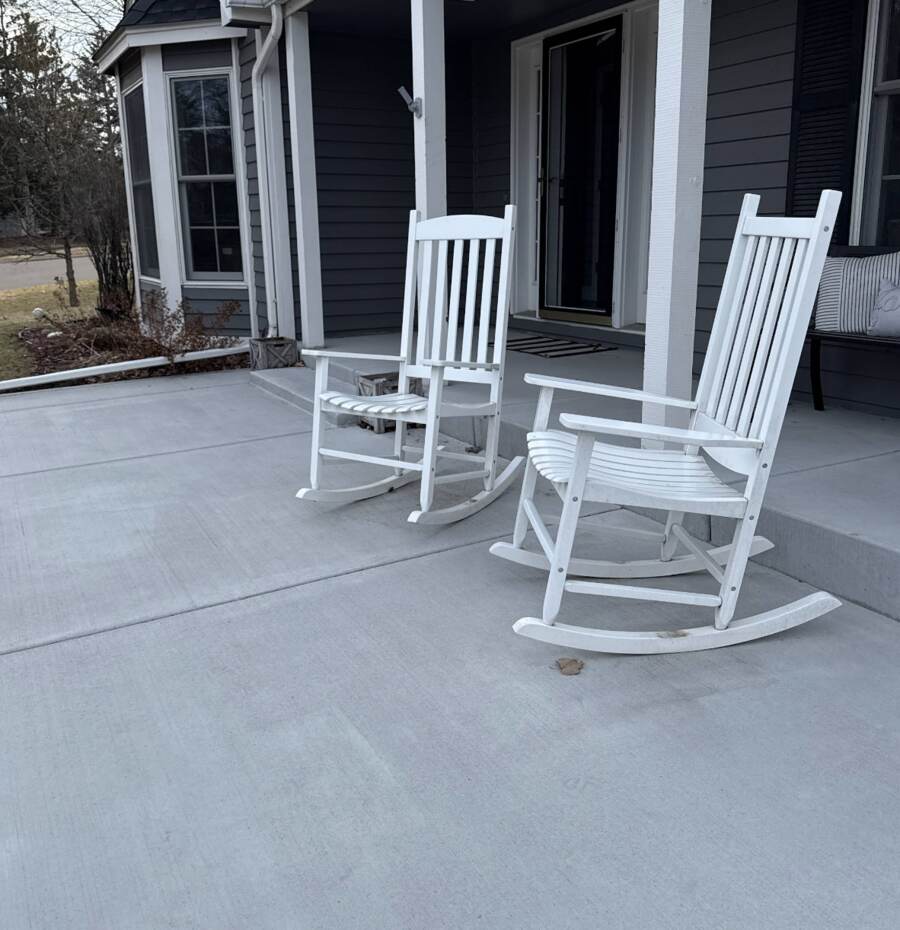
Front porch platforms and stoops: new builds and full replacements, poured to last.
Learn More →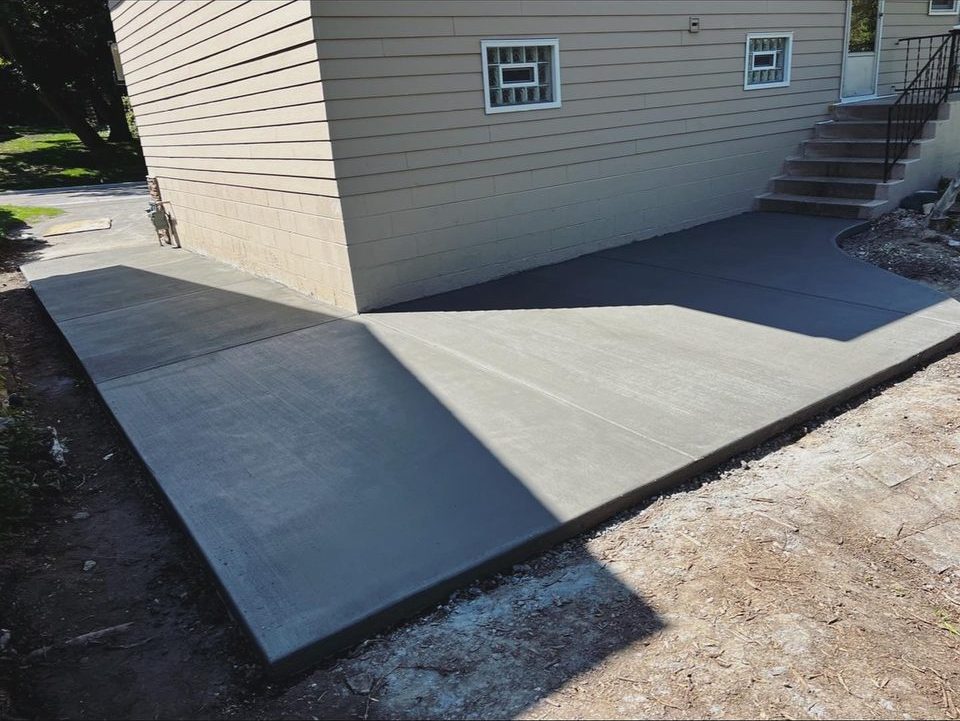
Custom-built concrete steps for any location: entries, gardens, egress, and grade changes.
Learn More →If your staircase shows any of these symptoms, schedule an inspection. Our estimator will assess the damage, check the substructure, and recommend the right rebuild, precast or cast-in-place, for your situation and budget.
Most residential staircases take one to two days to form and pour, plus curing time before full use. We'll give you a clear timeline before work begins.
5000 high early strength concrete mix for repairs
crack-resistant concrete mixes
fast-setting mortar for patch work
bonding agents, epoxies, and joint sealants
ready-mix concrete batched to spec
curing compounds and admixtures
expansion joint materials and sealers
penetrating water repellents
domestic rebar for reinforcement
integral colors and stamping tools
Safety guides every decision we make on your property. Our crew wears proper PPE, secures the work zone with barriers and signage, and blocks access to fresh concrete until it cures. We build every staircase with slip-resistant finishes, correct riser heights, and handrail-ready anchoring so your family, customers, and guests climb with confidence.
Concrete steps typically range from $900 to $5,000 depending on the number of stairs, width, site access, and finish options. Precast units cost less than custom cast-in-place flights. We provide free written estimates.
Spring through fall offers ideal curing temperatures between 50 and 85 degrees Fahrenheit. We pour year-round using cold-weather additives and insulated blankets when schedules demand it.
Freeze-thaw cycles, deicing salts, poor base compaction, and missing reinforcement cause most failures. Water seeps into small cracks, freezes, expands, and breaks the concrete apart over time.
Properly built and sealed stairs last 30 to 50 years. Regular sealing every two to three years extends their lifespan and keeps surfaces looking sharp.
We focus on building and replacing steps rather than resurfacing. Patches and overlays rarely survive Minnesota freeze-thaw on a failing flight: when steps are worn or unsafe, a properly built replacement is the fix that lasts.
Yes. Foot traffic can resume after 24 to 48 hours, and the concrete reaches full strength in about 28 days. We'll mark the safe-use timeline for your project.
Sweep debris regularly, rinse off salt in winter, avoid harsh deicers, and reseal on schedule. Call us at the first sign of cracking or spalling.
We had a new patio installed by Erik & his team a few weeks ago & it is beautiful!! Much more than we envisioned it to be!! They were awesome to work with & we would most definitely recommend them!
Erik and his team did a phenomenal job on our driveway replacement. Great communication, always on time, reasonably priced, cleaned up after the project, and outstanding end result.
Free on-site estimates across the NW Minneapolis-Saint Paul Metro Area. Licensed & insured.
763-373-4763